


Jason is a 14-year-old student whose school results did not fully show what he was capable of. In the classroom, his academic performance was average. He was not the kind of student who naturally showed strong interest in every subject, and this worried his parents. They knew he had potential, but they could not clearly see where that potential was going.
Outside the classroom, however, Jason was different.
He was much more engaged in his STEM programs. He was curious about technology. He was also fascinated by AI and had already started using AI tools frequently, including to support his homework and explore ideas more quickly.
His parents came to EduviXor with a very real question: If his grades are only average now, how do we help him prepare for a world where AI, technology and project-based skills matter more and more?
For students in the Age 12 to 17 segment, EduviXor focuses on pathway clarity, academic planning, portfolio narrative, extracurricular depth and future career uncertainty. This stage is not only about grades. It is about helping the student turn interests, activities, and strengths into a clearer direction.
.webp)
Before working with EduviXor, Jason’s parents felt stuck.
They saw a child who was not failing, but not thriving academically either. His grades were average, and he did not seem deeply motivated by many school subjects. From a traditional parent’s point of view, that can feel worrying, because school marks are often the easiest thing to measure.
And the harder question was: what is Jason actually interested in?
His parents could see that he enjoyed STEM activities and AI tools, but they were not sure if this was just a passing hobby or something that could become part of his future direction.
They also worried that Jason might rely on AI too casually without learning how to use it properly. Like many teenagers, he could use AI to finish tasks faster. But the family wanted him to understand something deeper: AI should not become a shortcut that replaces thinking. It should become a tool that helps him build, test, create, and solve problems.
Jason needed a plan that could connect school, STEM, AI, future skills and confidence. His parents needed reassurance that his potential did not have to be judged only by classroom grades.
We started by looking at Jason as a whole teenager who is growing up in this weird time.
The first step was to understand where he showed real energy. In Jason’s case, that energy appeared outside the traditional classroom. He was more alive when talking about STEM, technology and AI. We treated it as an important clue. We encouraged the family to let Jason continue with his STEM programs.
This was important because Jason needed an area where he could feel capable. When a student does not feel strongly connected to regular academics, one meaningful area of success can rebuild confidence. For Jason, STEM became that space.
Then we invited Jason and his family to join our 1-on-1 "AI Applications for Young Entrepreneurs" programs. Inside these programs, Jason was exposed to ideas that helped him see AI in a more practical and future-facing way. We discussed how to think like a founder, how to identify problems around him, how to use STEM knowledge in real-world situations, and how to treat AI as a smart teammate rather than a magic answer machine.
.png)
We wanted Jason to understand that AI is not only for homework. AI can help him brainstorm ideas, organize projects, create prototypes, test concepts, improve writing, design simple business ideas, and communicate better. But he still needs judgment. He still needs curiosity. He still needs leadership. He still needs to decide what problem is worth solving.
We also introduced financial literacy in an age-appropriate way. For Jason, this was not about becoming an investor overnight. It was about understanding money as a tool for freedom, choices, and responsibility. When a student starts to think about projects, ventures, and future careers, basic financial thinking helps them understand value, effort, cost, and opportunity.
Most importantly, we helped Jason begin building a portfolio.
For students like Jason, a portfolio can be powerful because it shows more than grades. It can show initiative, creativity, problem-solving, leadership, and evidence of learning. EduviXor’s Achiever framework emphasizes portfolio depth, activity evidence, leadership, project building, and creating a story that connects the student’s interests with future pathways.
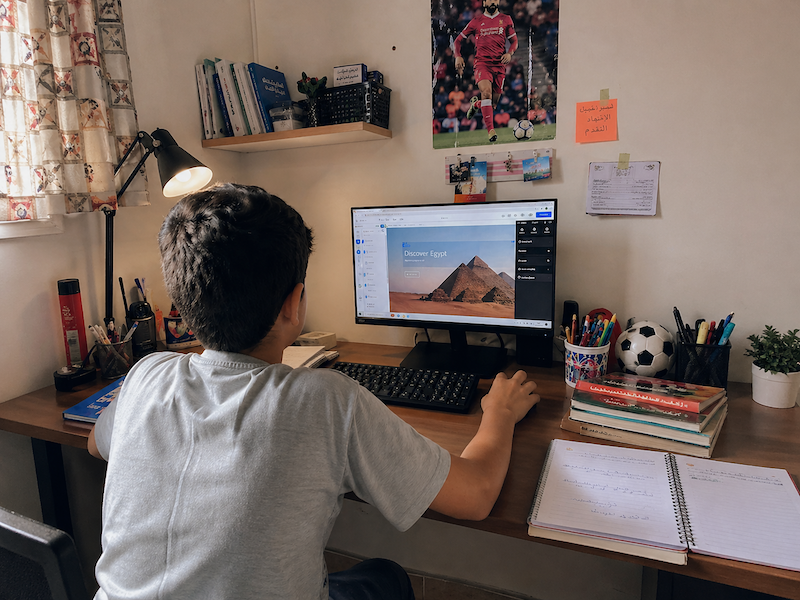
So instead of asking Jason to suddenly become “more academic,” we encouraged him to start small. Slowly, Jason began working on a collection of small projects connected to his interests and his own hometown. These projects gave him a reason to use AI and STEM in a more meaningful way.
He was beginning to create with it.
Jason is now building a small but growing portfolio of projects.
His academic results are still part of the picture, but they are no longer the only picture. His parents can now see progress outside the classroom. They can see him taking more ownership, thinking about ideas, using AI with more purpose, and connecting his STEM interest to real-world problems.
For Jason, this progress matters because it gives him confidence. Sometimes a student simply needs the right environment to show a different side of himself.
Through STEM, AI learning, entrepreneurship exposure and project building, Jason has started to see that his future can be built through action. His parents are happy because they finally have a clearer direction. They now understand that Jason’s preparation for the AI world should not only mean chasing better grades. It should also mean building judgment, creativity, communication, financial awareness, technical curiosity and a visible portfolio of work.
Jason’s story reminds us that many students have strengths that do not show up clearly in school marks. The role of planning is to find those strengths early, give them structure and help the student turn interest into evidence.
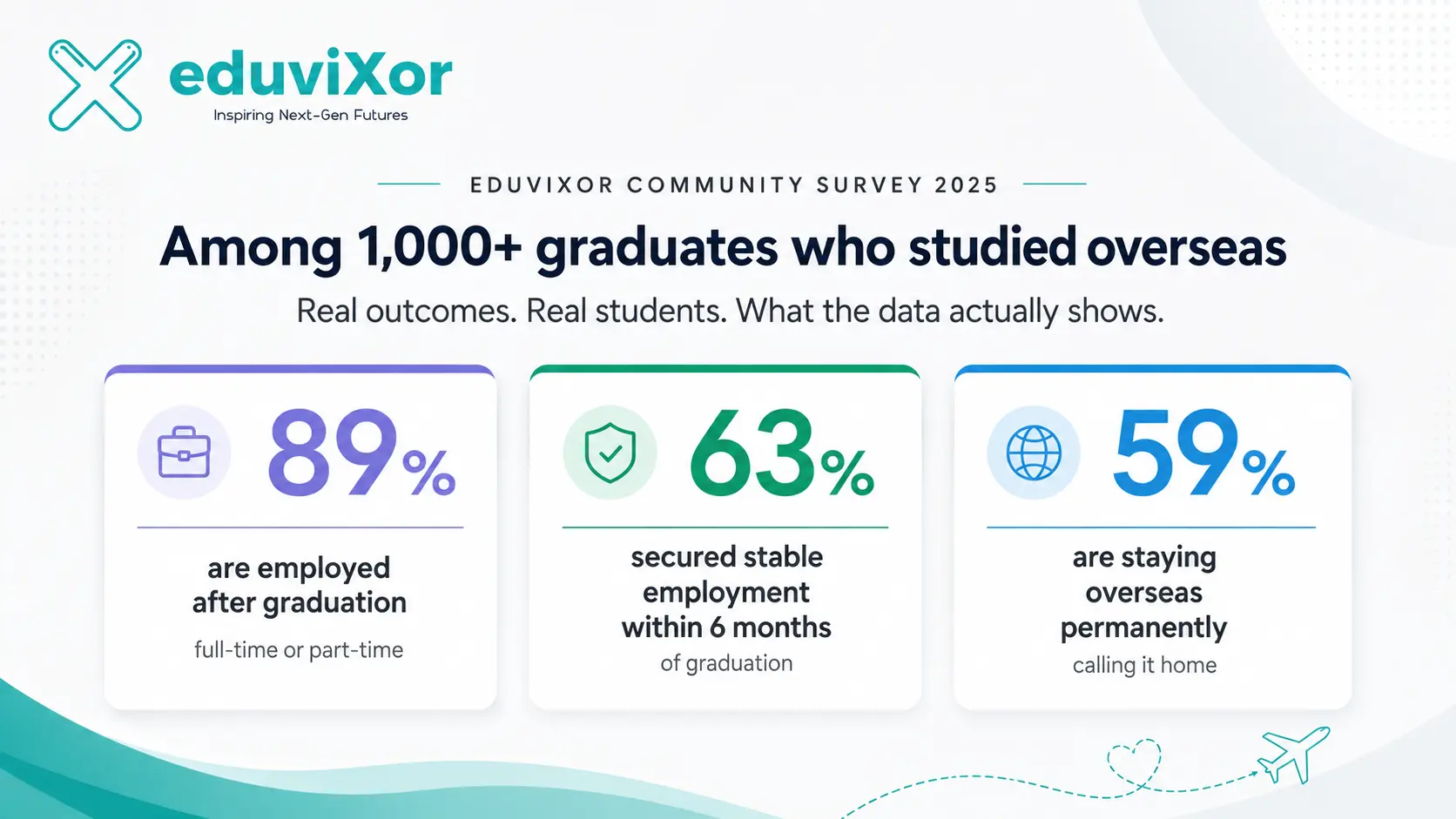
“EduviXor gave us the best guidance possible to prepare our son for the AI world. They helped us see Jason’s strengths beyond grades and guided him to build a portfolio that showcased his talents, interests and achievements outside the classroom.” - Jason’s Parents
Worried that your child’s grades do not reflect their true potential? EduviXor can help your family discover your child’s strengths, build a future-ready roadmap, and turn interests in STEM, AI, entrepreneurship or technology into meaningful projects and portfolio evidence.















.svg)

